Anti-human OPRL1 (Extracellular) Recombinant Monoclonal Antibody (HM0086)
Price range: $230.00 through $720.00
Anti-human OPRL1 Recombinant Monoclonal Antibody (HM0086) is a high-affinity recombinant monoclonal antibody generated by phage-display selection from a mouse-derived antibody library, followed by structure-guided affinity optimization. The antibody recognizes an epitope (AA 4–25) located within the N-terminal extracellular flexible region of the nociceptin receptor (OPRL1). It has been validated by ELISA using a recombinant epitope-Fc fusion antigen, by Western blot against a recombinant MBP-epitope fusion protein, and by Western blot detection of endogenous OPRL1 protein in human cell lysates.
Also known as: OPRX, OPRL1, NOP receptor, Nociceptin receptor, Opioid receptor-like 1, ORL1, Nociceptin/orphanin FQ receptor.
For research use only. Not for diagnostic or therapeutic applications.
Product Information
| Item | Description |
|---|---|
| Product Name | Anti-human OPRL1 Recombinant Monoclonal Antibody |
| Catalog Number | HM0086 |
| Target | OPRL1 |
| Full Name | Nociceptin receptor |
| Gene Symbol | OPRL1 |
| Host Species | Mouse |
| Antibody Type | Recombinant Monoclonal Antibody |
| Isotype | Mouse IgG1 |
| Species Reactivity | Human |
| Immunogen | Recombinant epitope-Fc fusion protein |
| Epitope Sequence | LFPAPFWEVIYGSHLQGNLSLL |
| Expression System | HEK293 cells |
| Purification | Protein G affinity chromatography |
| Concentration | 0.1 mg/mL |
| Tested Applications | Western Blot (WB) |
| Recommended WB Dilution | 1:500–1:5000 |
| Conjugate | Unconjugated |
| Storage Buffer | 0.1 M Tris, 0.05 M Glycine, 0.07 M NaCl, 2 g/L BSA, 50% Glycerol, pH 7.0 |
| Storage | Store at −20°C |
| Research Use | For research use only. Not for diagnostic or therapeutic applications. |
Product Background
Nociceptin receptor (OPRL1) is a Class A G protein-coupled receptor (GPCR) that binds the endogenous neuropeptide nociceptin/orphanin FQ (N/OFQ). Although structurally related to classical μ-, δ-, and κ-opioid receptors, OPRL1 possesses distinct pharmacological properties and does not bind traditional opioid ligands with high affinity. Upon activation, OPRL1 primarily couples to Gi/Go proteins to inhibit adenylyl cyclase, regulate ion channel activity, and modulate intracellular signaling pathways involved in neuronal excitability and neurotransmitter release.
OPRL1 is widely expressed throughout the central and peripheral nervous systems and is also present in immune cells and several peripheral tissues. It plays important roles in pain modulation, stress responses, anxiety, reward pathways, learning and memory, cardiovascular regulation, inflammation, and immune function. Dysregulation of OPRL1 signaling has been implicated in chronic pain, depression, addiction, epilepsy, neurodegenerative disorders, and inflammatory diseases, making OPRL1 an important therapeutic target and a valuable biomarker for neuroscience and GPCR research.
Validation Data
ELISA
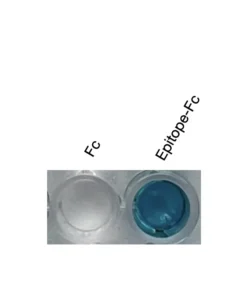
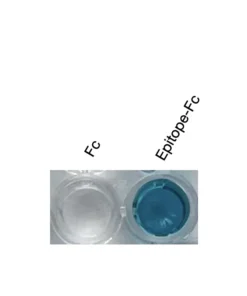
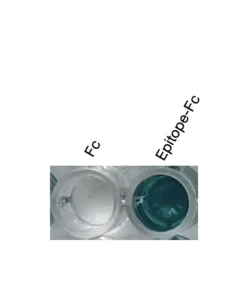
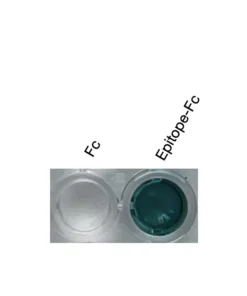
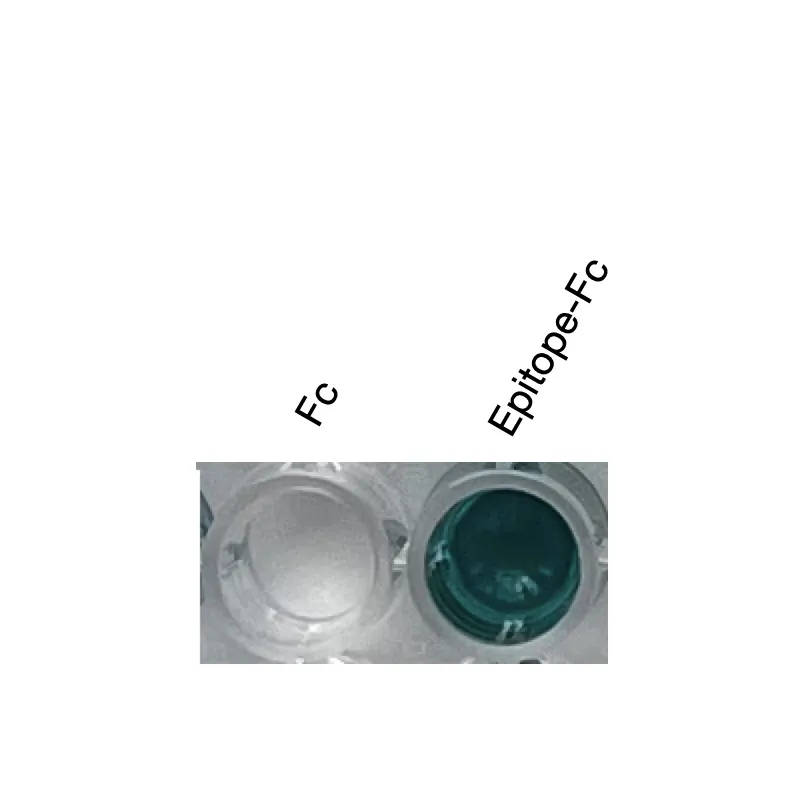
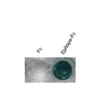
HM0086 specifically recognizes the recombinant OPRL1 epitope-Fc fusion protein while showing no detectable binding to the Fc negative control, demonstrating excellent antigen specificity.
Western Blot of Recombinant Protein
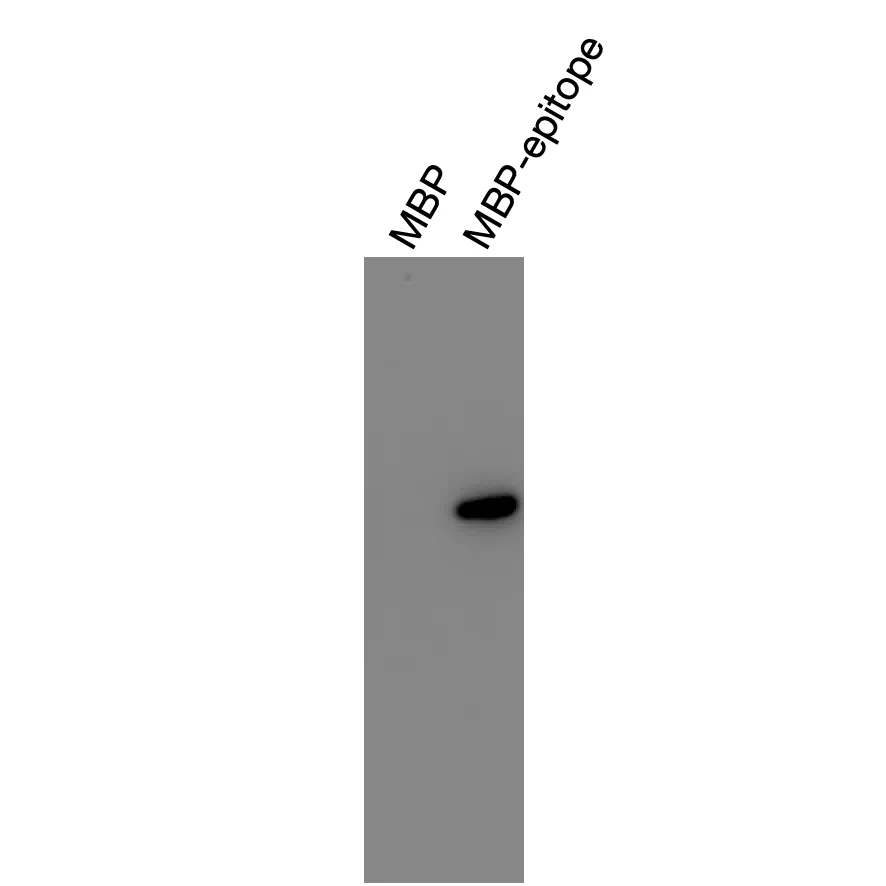
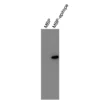
HM0086 specifically detects the recombinant MBP-epitope fusion protein but does not recognize MBP alone, confirming sequence-specific recognition of the OPRL1 epitope.
Western Blot of Endogenous Protein
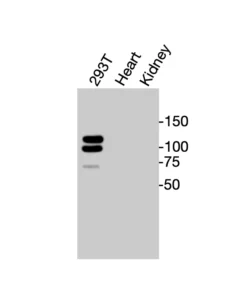
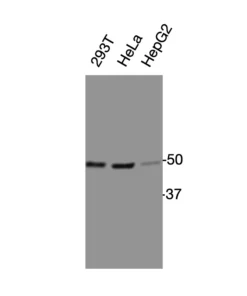
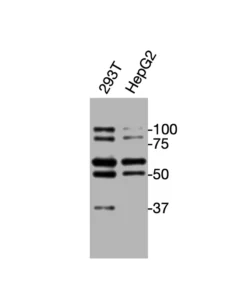
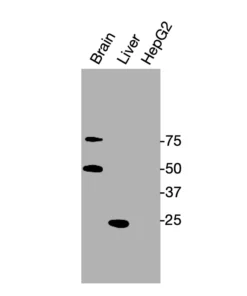
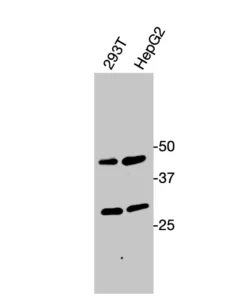
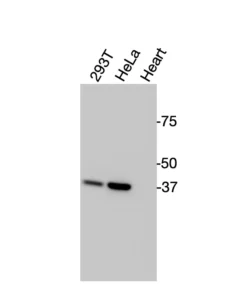
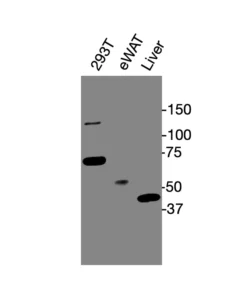
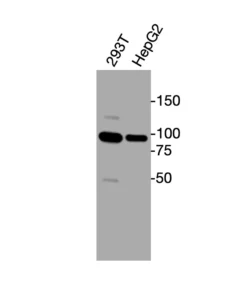
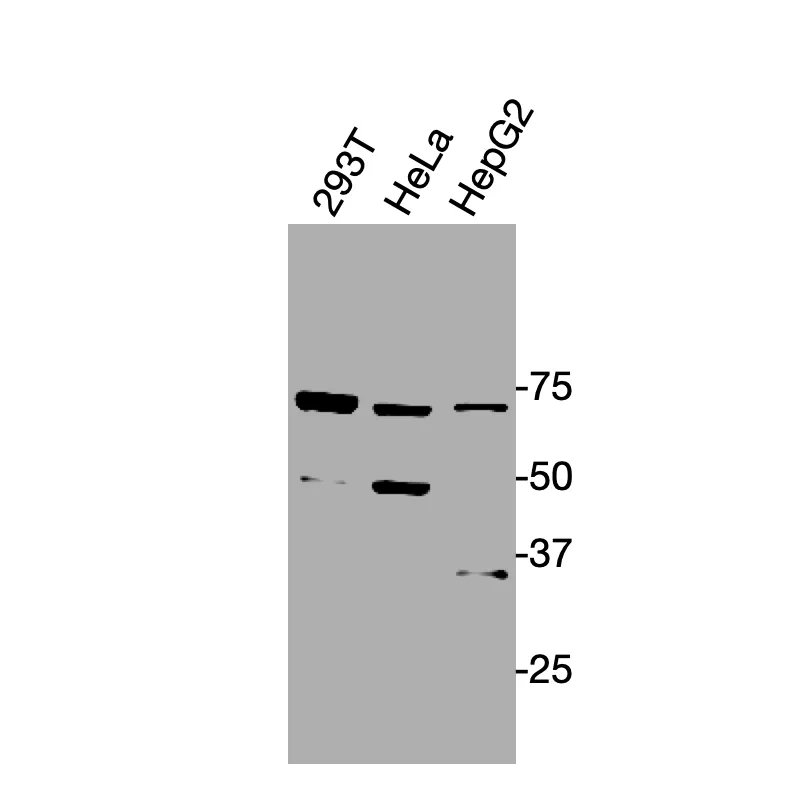
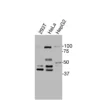
HM0086 detects endogenous OPRL1 proteins in HEK293T, HeLa, and HepG2 cell lysates. Multiple immunoreactive bands are observed, which may represent alternatively spliced isoforms, post-translationally modified receptor species, degradation products, or protein-associated complexes.
| Size | 20 ul, 100 ul |
|---|
Related products