Anti-human PTGER3 (Extracellular) Recombinant Monoclonal Antibody (HM0067)
Price range: $230.00 through $720.00
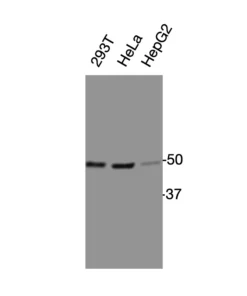
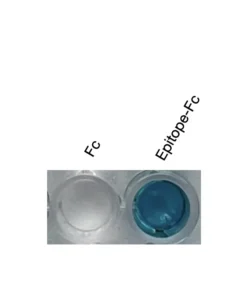
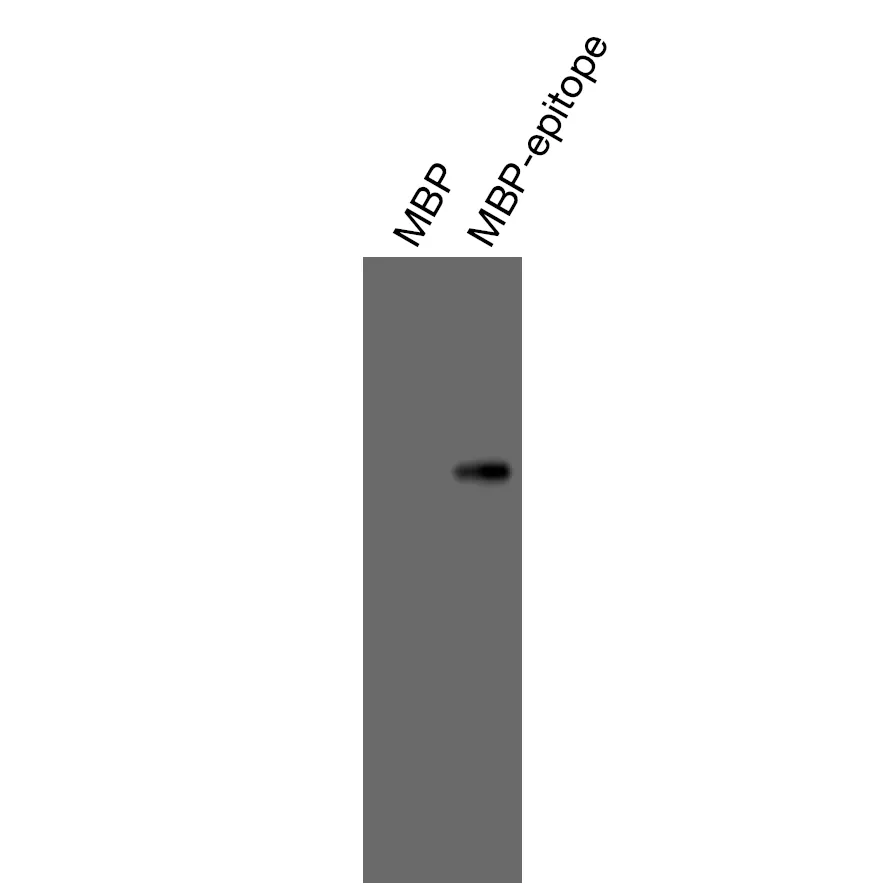
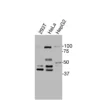
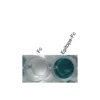
Anti-human PTGER3 Recombinant Monoclonal Antibody (HM0067) is a high-affinity recombinant monoclonal antibody generated by phage-display selection from a mouse-derived antibody library, followed by structure-guided affinity optimization. The antibody recognizes an epitope (AA 20-43) located within the extracellular flexible region of the human prostaglandin E2 receptor EP3 (PTGER3). It has been validated by ELISA using a recombinant epitope-Fc fusion antigen, by Western blot against a recombinant MBP-epitope fusion protein, and by Western blot detection of endogenous PTGER3 in HEK293T, HeLa, and HepG2 cell lysates.
Also known as: PTGER3, EP3, EP3 receptor, Prostaglandin E2 receptor EP3 subtype, Prostaglandin E receptor 3, PGE receptor EP3.
For research use only. Not for diagnostic or therapeutic applications.
Product Information
| Item | Description |
|---|---|
| Product Name | Anti-human PTGER3 Recombinant Monoclonal Antibody |
| Catalog Number | HM0067 |
| Target | Prostaglandin E2 receptor EP3 subtype |
| Gene Symbol | PTGER3 |
| UniProt Accession | P43115-1, P43115-10, P43115-11, P43115-12, P43115-2, P43115-3, P43115-4, P43115-5, P43115-6, P43115-7, P43115-8, P43115-9 |
|
Molecular Weight |
43.3kDa, 47.9kDa, 46.8kDa, 47.7kDa, 42.7kDa, 40.5kDa, 41.8kDa, 46.7kDa, 47.3kDa, 43.7kDa, 43.4kDa, 44.7kDa |
| Host Species | Mouse |
| Recombinant Format | Full-length mouse IgG1 |
| Species Reactivity | Human |
| Immunogen | Recombinant epitope-Fc fusion protein |
| Epitope Sequence |
SYTGMWAPERSAEARGNLTRPP |
| Expression System | HEK293 cells |
| Purification | Protein G affinity chromatography |
| Concentration | 0.1 mg/mL |
| Tested Applications | WB |
| Recommended WB Dilution | 1:500–1:5000 |
| Conjugate | Unconjugated |
| Storage Buffer | 0.1 M Tris, 0.05 M Glycine, 0.07 M NaCl, 2 g/L BSA, 50% Glycerol, pH 7.0 |
| Storage | Store at −20°C |
| Research Use | For research use only (RUO). Not for diagnostic or therapeutic applications. |
Product Background
Prostaglandin E2 receptor EP3 (PTGER3) is a member of the prostaglandin E receptor family of G protein-coupled receptors (GPCRs) that mediates numerous physiological responses to prostaglandin E2 (PGE2). Unlike other EP receptors, PTGER3 undergoes extensive alternative mRNA splicing, generating multiple receptor isoforms that possess distinct intracellular C-terminal domains and couple to different G proteins. Depending on the isoform expressed, PTGER3 can inhibit adenylyl cyclase through Gi proteins or activate alternative signaling pathways that regulate intracellular calcium mobilization and other downstream responses.
PTGER3 is broadly expressed in the nervous system, gastrointestinal tract, kidney, vascular tissues, and numerous immune cell populations. It plays important roles in inflammation, fever regulation, pain perception, vascular tone, gastric mucosal protection, platelet function, and smooth muscle contraction. Aberrant PTGER3 signaling has been implicated in inflammatory diseases, cardiovascular disorders, gastrointestinal diseases, neurological disorders, and multiple human cancers, making PTGER3 an important target for both basic research and therapeutic development.
Validation Data
ELISA
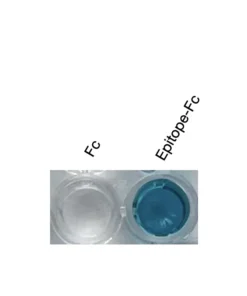
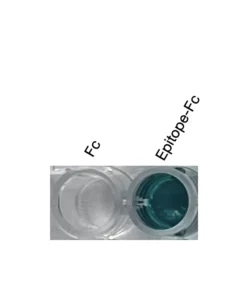
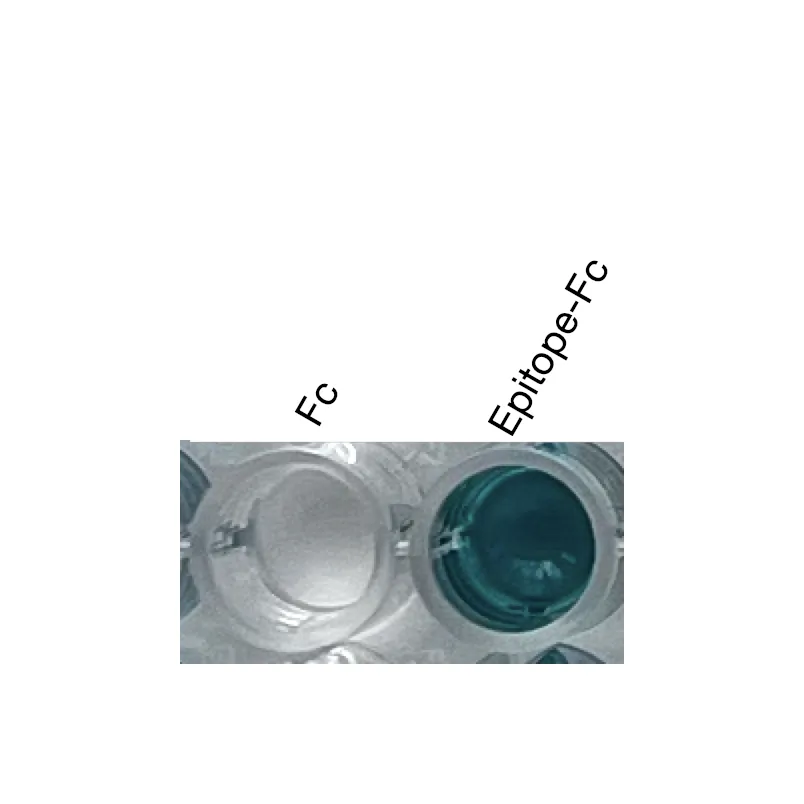
HM0067 specifically recognizes the recombinant PTGER3 epitope-Fc fusion protein but shows no detectable binding to the Fc negative control, demonstrating excellent antigen specificity.
Western blot of recombinant proteins
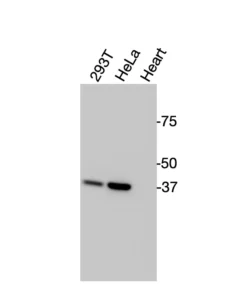
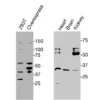
HM0067 specifically recognizes the recombinant MBP-epitope fusion protein, while MBP alone is not detected, confirming sequence-specific recognition of the PTGER3 epitope.
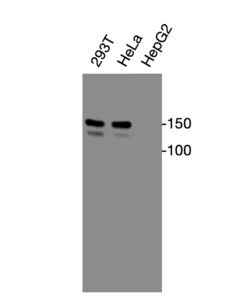
Western blot of endogenous proteins
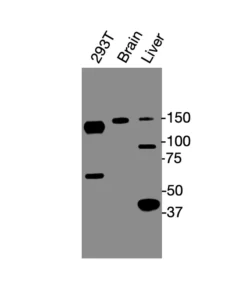
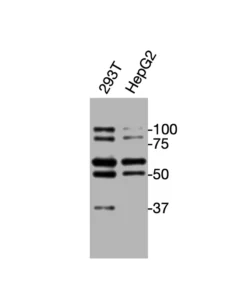
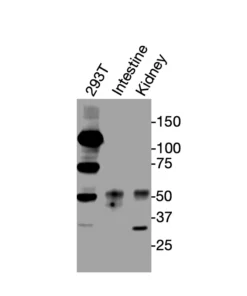
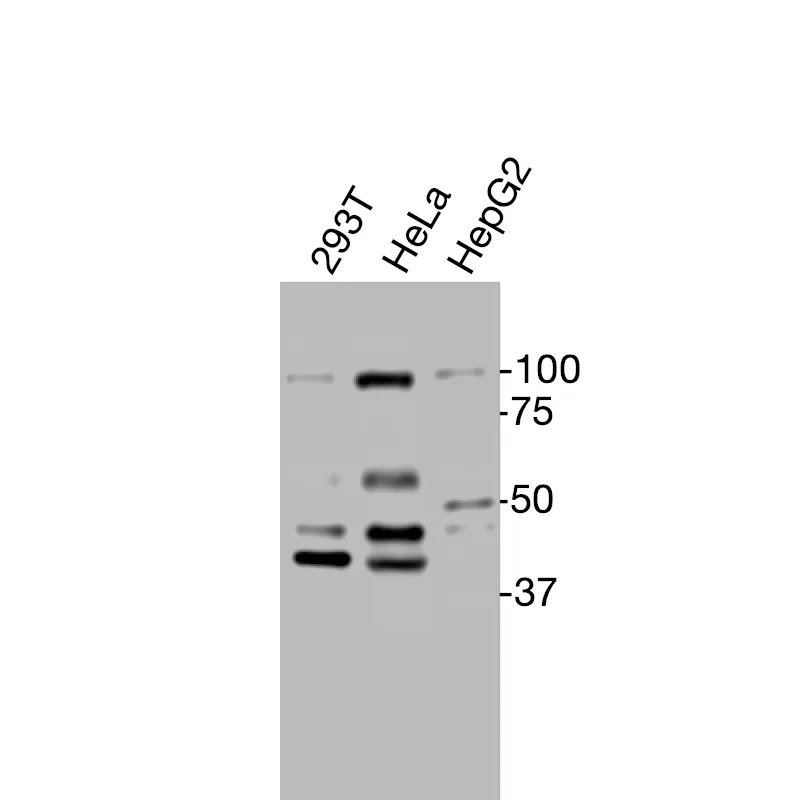
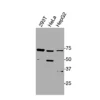
HM0067 detects endogenous PTGER3 in HEK293T, HeLa, and HepG2 cell lysates. Multiple immunoreactive bands are observed, consistent with the numerous alternatively spliced PTGER3 isoforms and possible post-translational modifications reported for this GPCR family.
| Size | 20 ul, 100 ul |
|---|
Related products